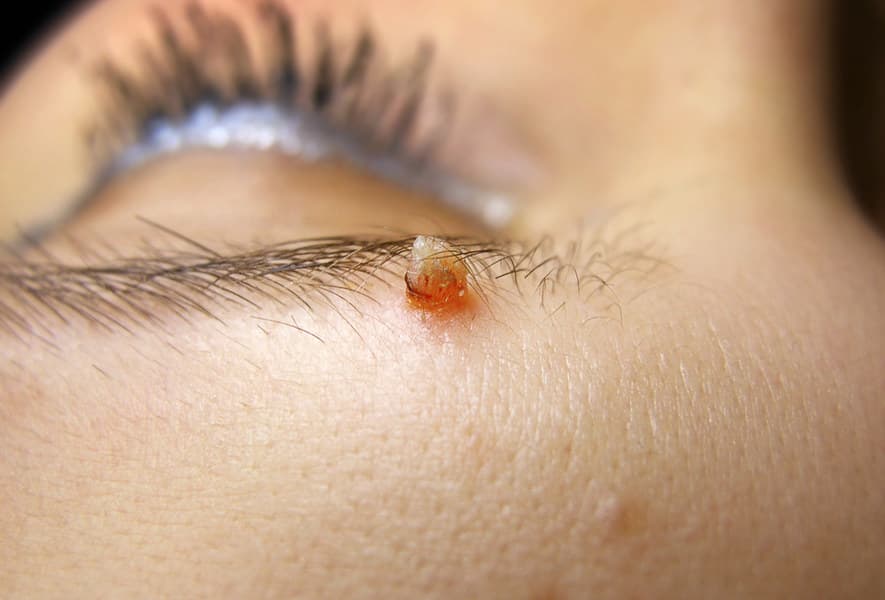
What are soft fibromas?
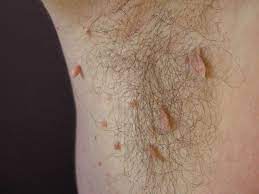
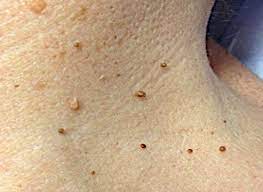
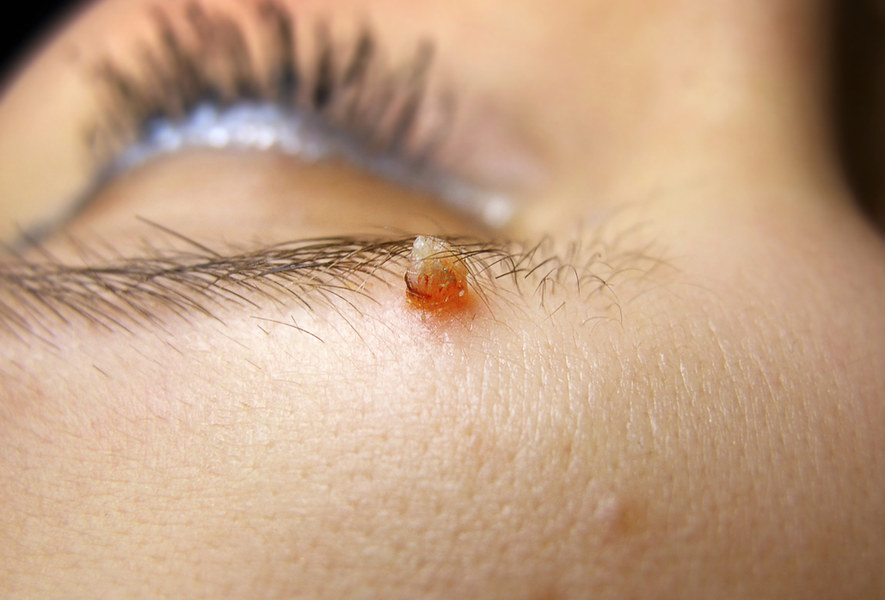
Soft fibromas, also known as papillomas, are benign skin growths that are usually painless and harmless to health. Although they are not contagious and generally do not pose a serious threat, they can sometimes be a source of discomfort or aesthetic concerns. Fibromas most commonly appear in areas where the skin tends to rub and is constantly irritated, such as the neck, armpits, under the breasts, or groin, and sometimes around the eyes.
Causes and risk factors
The exact causes of soft fibromas are not fully understood, but several associated risk factors have been identified.
- Genetic predisposition may increase the likelihood of developing fibromas, especially if family members have also experienced this type of skin growth.
- Overweight and obesity are considered risk factors, as skin folds and compression can promote fibroma growth.
- High cholesterol levels and glucose intolerance, including diabetes, may contribute to the formation of fibromas.
- Pregnancy, due to hormonal changes in the body, may also be associated with the development of fibromas.
- There are conflicting opinions about the possible role of the human papillomavirus (HPV) in fibroma formation, but no clear conclusions have been reached.
Symptoms
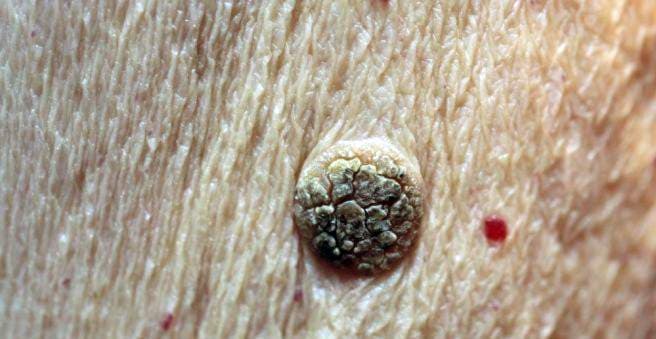
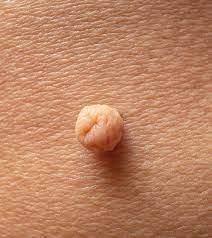
Soft fibromas typically appear as small, skin-colored or brownish nodules that protrude above the skin on a thin stalk. They are generally not painful, but can cause discomfort or bleeding if constantly rubbed or traumatized.
Symptoms may include:
- Multiple small or larger fibromas in various body areas, such as the neck, armpits, under the breasts, or groin.
- Painless, but may become sensitive or bleed due to constant irritation.
- Fibromas on the eyelids may interfere with vision or be a source of aesthetic discomfort.
When to see a doctor?
If you notice that soft fibromas are changing shape, size, or color, or if they cause discomfort or aesthetic concerns, it is important to consult a dermatologist. A professional evaluation can help determine whether the growths are benign or pose a potential risk.
Our clinic's dermatologists can accurately diagnose, assess the severity, and select an individualized treatment and care plan. Consultations are available both in-person and online.
Diagnosis
Soft fibromas are diagnosed during a clinical evaluation based on their characteristic features. In specific cases, a dermatoscope may be used, which helps to magnify and better view skin structures and confirm the diagnosis.
ARTICLE_GIF
Treatment
Although soft fibromas are usually not dangerous, their removal may be recommended if they are constantly traumatized or cause aesthetic concerns.
Treatment methods include destructive techniques such as cryotherapy (cold treatment), usually using carbon dioxide or liquid nitrogen, electro-surgical or laser removal. Cryotherapy is typically used for smaller growths, while larger ones may be removed using electro-surgical or laser methods.
Fibromas that appear during pregnancy may disappear on their own within a few months after childbirth, so it is important to consult a dermatologist for the most appropriate monitoring or treatment plan.
Care and prevention
Due to the unknown exact causes of soft fibromas, preventive measures are related to managing risk factors. It is recommended to:
- Maintain a normal body weight (BMI up to 25) to reduce the risk of skin folds.
- Regulate cholesterol levels if needed.
- Follow a healthy diet and exercise regimen to reduce the likelihood of diabetes and other related conditions.
Conclusions
Soft fibromas are benign skin growths that usually do not pose a health threat, but can cause discomfort or aesthetic inconveniences. Early identification and specialist examination are important to determine the most appropriate care or treatment plan. Our experienced dermatologists can help address issues related to fibroma diagnosis and treatment, providing consultations both on-site and remotely.