Introduction
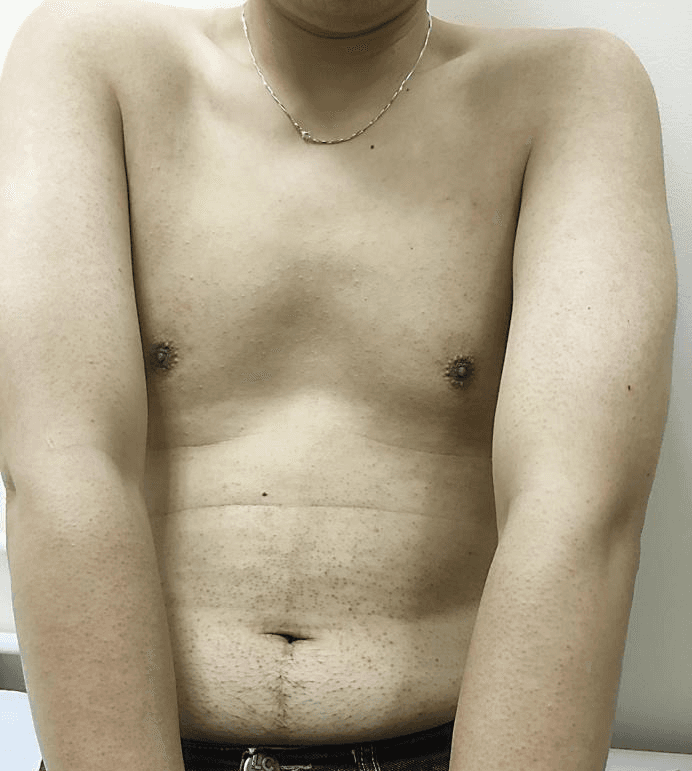
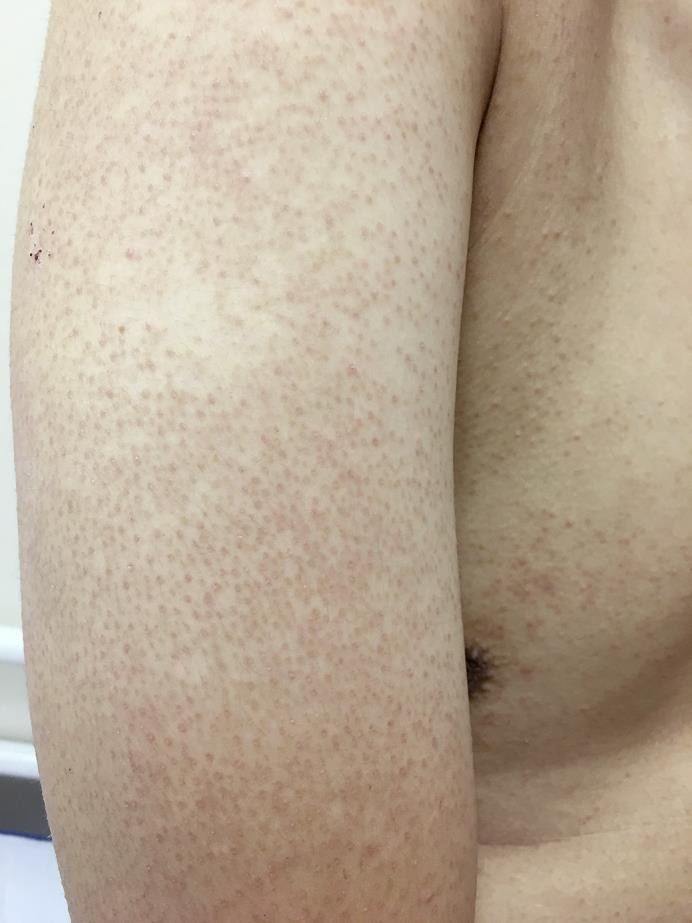
Follicular keratosis, also known as chicken skin (Keratosis pilaris), is a common skin condition characterized by a rough texture on the skin due to the accumulation of keratin in hair follicles. It typically appears as small, skin-colored or pinkish hard papules that are distinctly raised to the touch. Although it is not harmful to health, it can cause aesthetic discomfort. This condition is most commonly observed in children and young adults.
What is it?
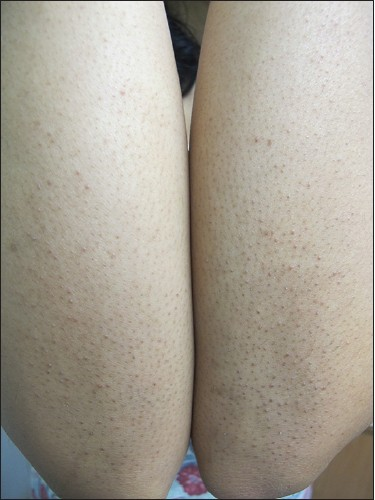
Follicular keratosis is a chronic skin condition resulting from the overproduction of keratin, a protein that is a primary component of skin, hair, and nails. This protein clogs small follicles, causing roughness and bumps, most often seen on the cheeks, thighs, and buttocks.
Causes and Risk Factors
While the exact causes of follicular keratosis are unknown, factors contributing to the development of this condition may include genetics and family history. It has also been noted that this condition is often associated with dry skin types, atopic dermatitis, or ichthyosis. However, follicular keratosis is not infectious and does not cause health problems.
Symptoms
The primary symptom of follicular keratosis is rough, small skin bumps that may be skin-colored, slightly pink, or even red. Although these rashes most commonly appear on the thighs, cheeks, elbows, and buttocks, they can also occur in other areas of the body. It is important to note that this condition rarely causes itching or pain.
When to See a Doctor?
Follicular keratosis usually does not require special treatment, but if you notice significant changes in the skin, experience considerable discomfort, or severe itching, it is recommended to consult a dermatologist. Our clinic's dermatologists can help accurately diagnose the condition, assess its severity, and select the most appropriate treatment plan. Consultations can be provided both in person and online.
Diagnosis
Follicular keratosis is usually diagnosed based on clinical appearance and patient history. An experienced dermatologist can easily recognize the characteristic papules on the extensor surfaces of the limbs, such as the arms and thighs, and may also perform a skin examination to rule out other possible skin conditions.
Treatment
While there is no complete cure for follicular keratosis, treatment can help alleviate symptoms and improve the appearance of the skin. The key steps in treatment are:
- Use of emollients and keratolytics: Moisturizing creams with lactic acid or urea help soften the skin and smooth keratotic papules.
- Topical retinoids: May be prescribed as a secondary treatment if emollients and keratolytics do not help.
- Topical corticosteroids: Can be used for a short period (1-2 weeks) in the presence of significant inflammation.
- Systemic retinoids and laser therapy: May be considered as third-line treatment options.
ARTICLE_GIF
Care and Prevention
Proper skin care can help control and reduce the symptoms of follicular keratosis:
- Regularly use moisturizing creams.
- Avoid using harsh soaps or abrasive cleansing products.
- Adjust your skincare routine to include gentle exfoliation.
- Drink enough water to ensure skin hydration from within.
Conclusions
Although follicular keratosis is a chronic and often asymptomatic condition, proper skin care can significantly reduce the discomfort it causes and improve the appearance of the skin. If this skin disorder becomes particularly pronounced or causes discomfort, consult specialists for personalized care recommendations. A dermatologist consultation, whether in person or online, helps quickly and effectively clarify the diagnosis and select the most appropriate treatment plan.