What is it?
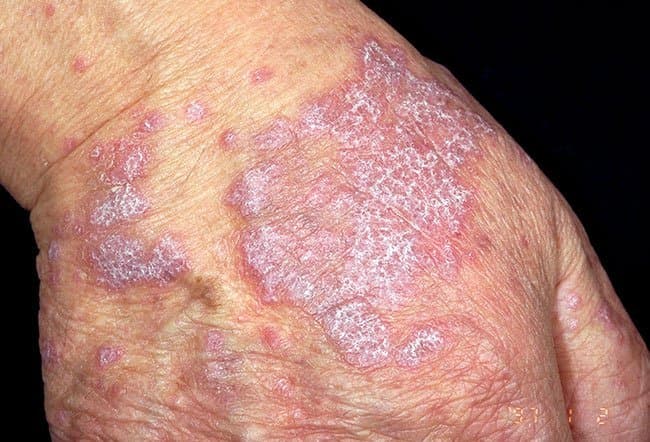
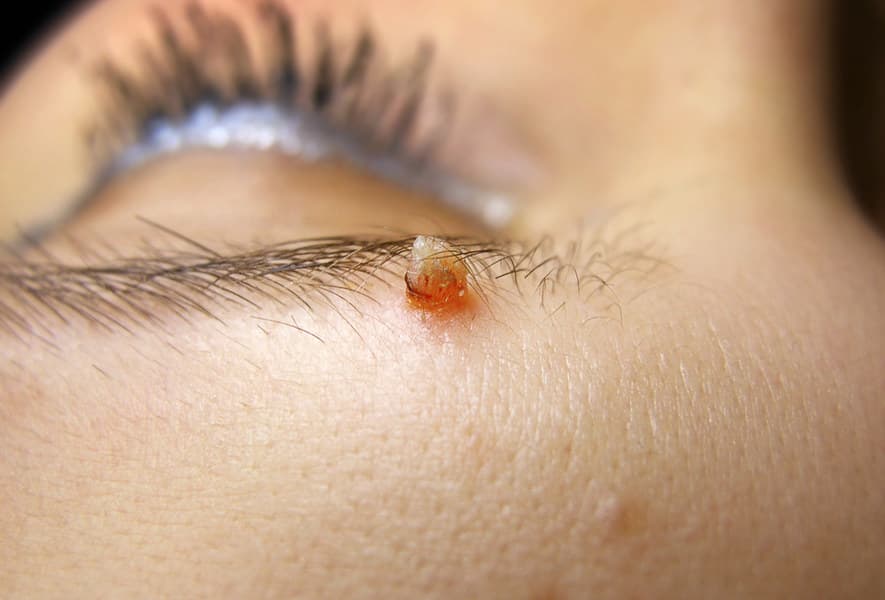
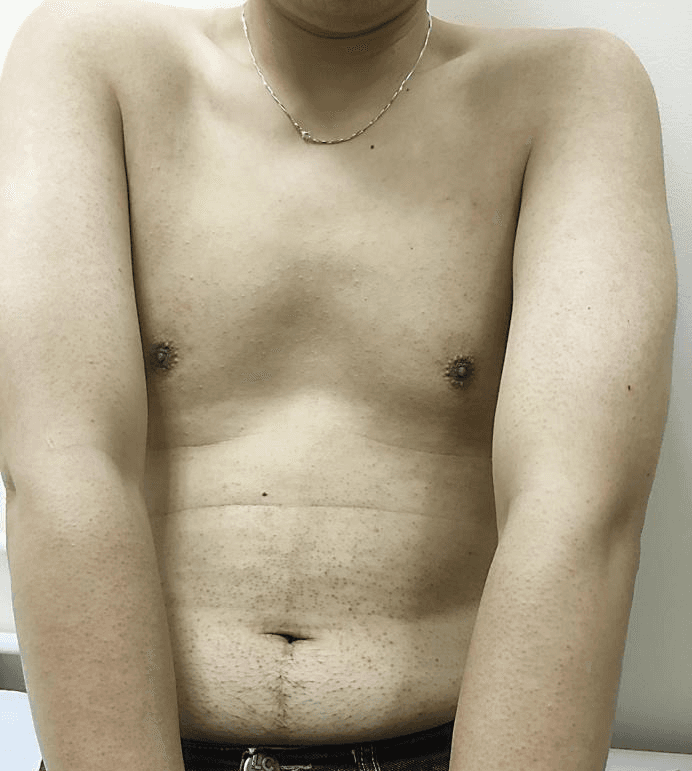
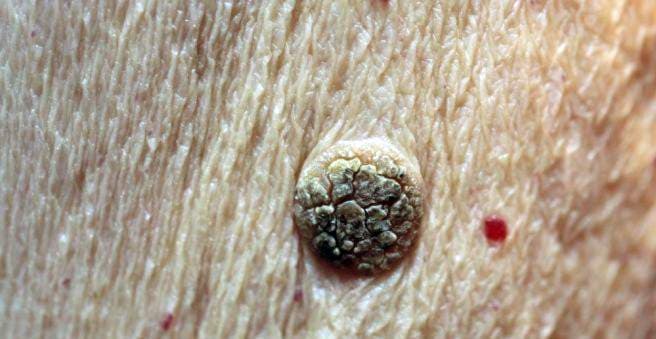
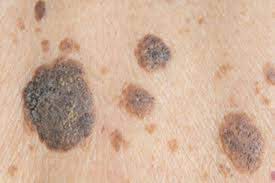
Seborrheic keratosis is a benign skin growth that is usually various shades of brown and has a rough surface. These keratoses form due to impaired shedding of surface skin cells, leading to cell accumulation and the formation of a raised, rough plaque on the skin's surface. Seborrheic keratoses often become the subject of various skin concerns, but it is important to note that they are generally harmless and do not cause discomfort.
Causes and Risk Factors
The causes of seborrheic keratosis are not fully understood, but several important risk factors are known:
- Genetic predisposition: If your relatives have had or have many seborrheic keratoses, there is a higher likelihood that you will inherit them.
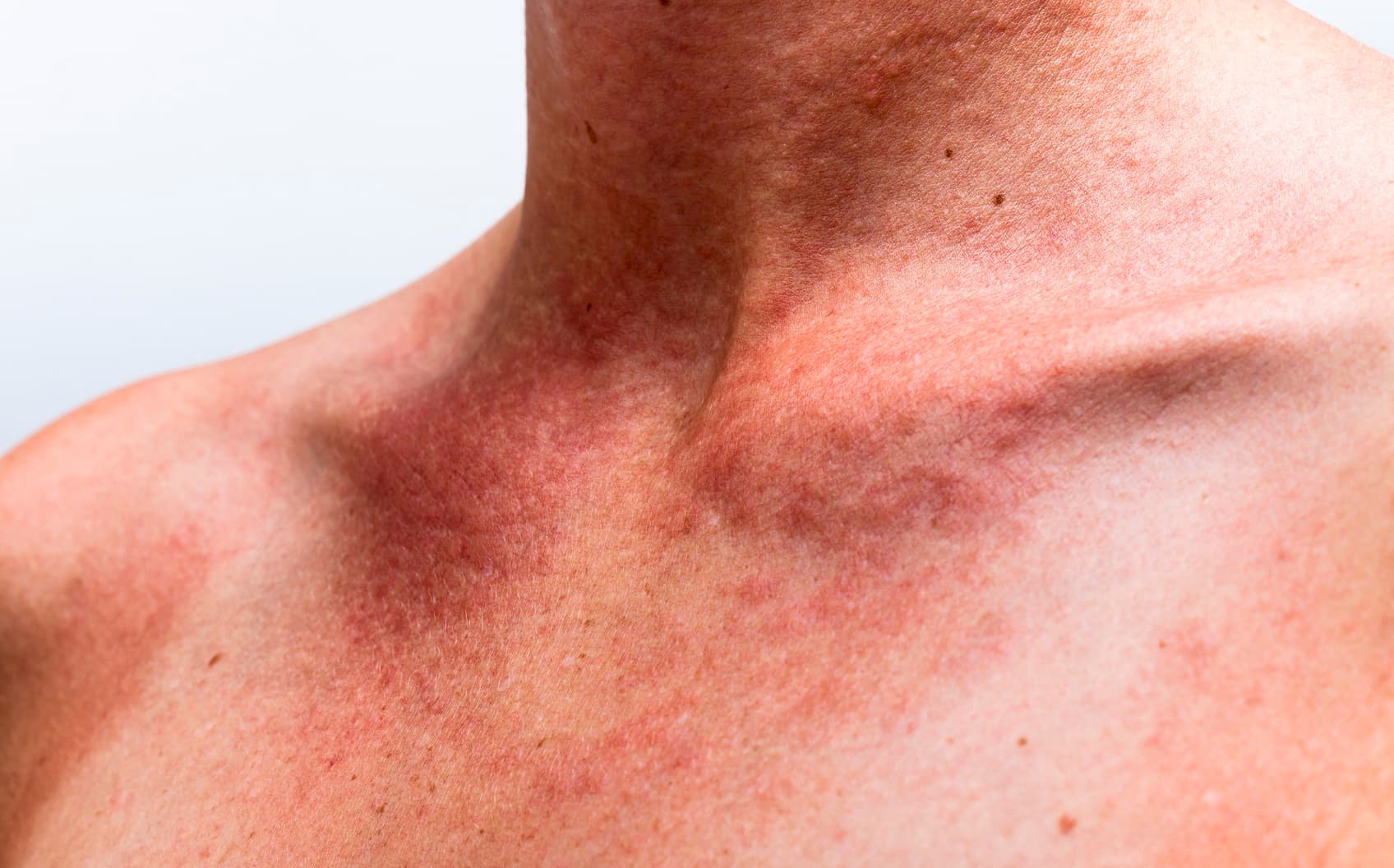
- UV radiation: Prolonged and intense exposure to the sun or tanning beds can promote the development of these growths.
- Age: Seborrheic keratoses are more commonly diagnosed in people over the age of 30.
- Skin type: This condition is more common in individuals of Caucasian descent, especially those with lighter skin.
Symptoms
Seborrheic keratosis is often recognized by specific symptoms:
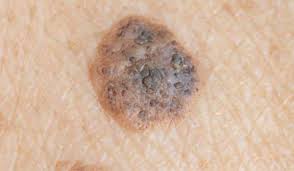
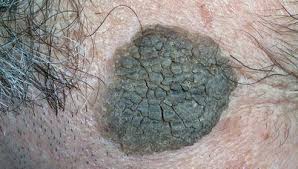
- Rough surface: Due to fragile surface cells, the nodule or plaque appears as if it is stuck to the skin.
- Color: It can be various shades of brown, ranging from light to dark brown, almost black.
- Non-tender: These growths do not hurt or become moist.
- Location: They can appear anywhere on the body except for the palms, soles, and mucous areas such as the mouth or genitals.
ARTICLE_GIF
When to See a Doctor?
Although seborrheic keratoses generally do not cause health issues, it is important to pay attention if:
- there are sudden changes on the skin, such as an increase in size, change in color or texture;
- irritation or bleeding occurs;
- there are weeping sores that do not heal for a long time.
In such cases, we recommend consulting a dermatologist. Our iDerma clinic specialists can help accurately diagnose and offer the best treatment plan. Consultations are available both in-person and online.
Diagnosis
Seborrheic keratosis is usually diagnosed based on characteristic clinical signs. A dermatologist confirms the diagnosis by examining the skin growth with a dermatoscope—a special device that helps observe skin structures in detail. If uncertainties remain, a skin biopsy or surgical removal of the growth may be performed, followed by histological examination.
Treatment
Treatment of seborrheic keratosis is often performed for cosmetic reasons. Possible treatment methods include:
- Cryotherapy: This is a cold treatment using carbon dioxide or liquid nitrogen.
- Electrosurgery: Electrical damage is used to remove unwanted tissue.
- Laser therapy: An effective method expected to reduce dermal damage.
Regardless of the chosen treatment methods, some keratoses may recur, so it is important to regularly monitor the skin's condition.
Care and Prevention
While we cannot change genetics, we can take measures to prevent the occurrence of seborrheic keratoses:
- Sun protection: Use creams with SPF 30-50 protection against UV rays, especially when spending long periods in the sun.
- Regular skin care: Carefully monitor the skin's condition and consult a specialist if any changes occur.
Conclusions
Seborrheic keratosis is a benign skin condition that, due to its specific characteristics, may pose cosmetic concerns. Although these skin growths are often harmless, it is important to consult a dermatologist in the event of any observed skin changes. Proper sun protection and attentive skin care can help prevent their occurrence, and our iDerma clinic specialists are ready to provide professional consultations and treatment recommendations.