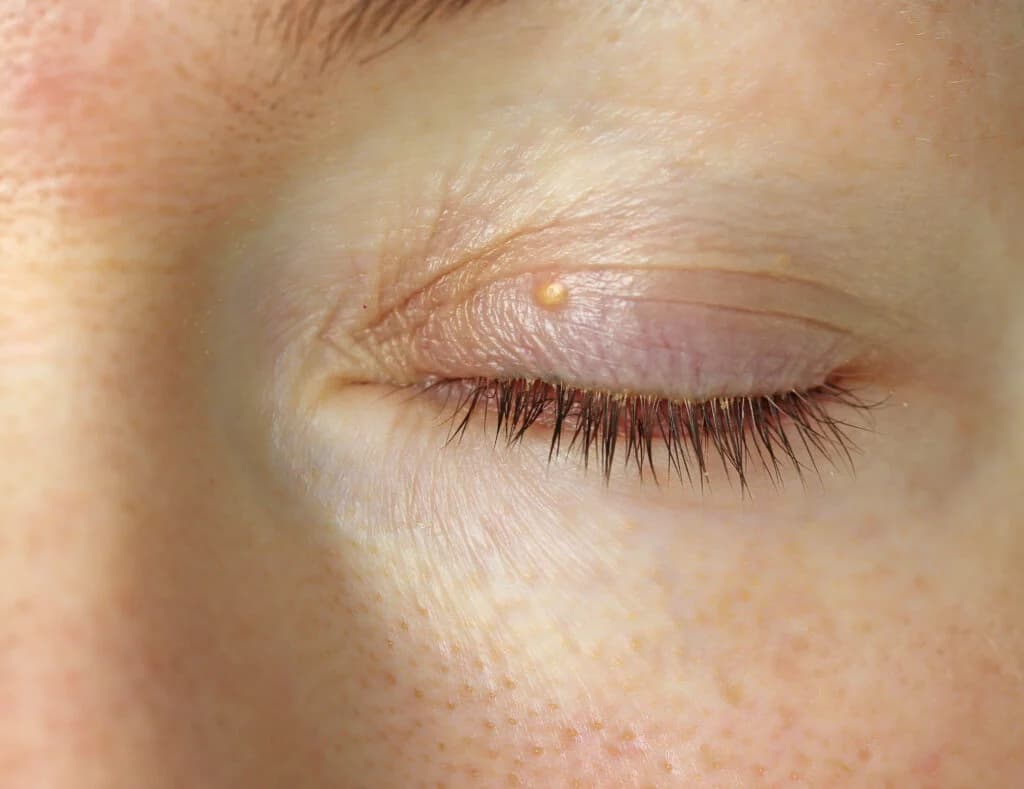
Xanthelasma (also known as xanthelasma palpebrarum) is a benign skin growth that typically appears as yellowish plaques or bumps around the eyelids. While this condition is not dangerous, it can be a sign of elevated cholesterol or other metabolic imbalances. Due to its visibility near the eyes, xanthelasma often causes cosmetic concerns.
What is it?
Xanthelasma is a soft, yellowish skin lesion caused by cholesterol deposits in the superficial layers of the skin. It is non-infectious, not cancerous, and does not go away on its own – in fact, it may slowly grow over time.
Who is most affected?
-
Xanthelasma is relatively rare, affecting about 1% of the population
-
More common among people of Asian and Mediterranean descent
-
Typically appears between the ages of 35 and 55
-
Around 50% of patients with xanthelasma also have elevated cholesterol levels
Causes and risk factors
While xanthelasma can sometimes occur without an obvious cause, it is often linked to underlying health conditions such as:
-
Lipid metabolism disorders – especially high cholesterol and triglycerides
-
Thyroid dysfunction
-
Type 2 diabetes
-
Genetic predisposition
-
Unhealthy lifestyle – obesity, smoking, poor diet
Symptoms
-
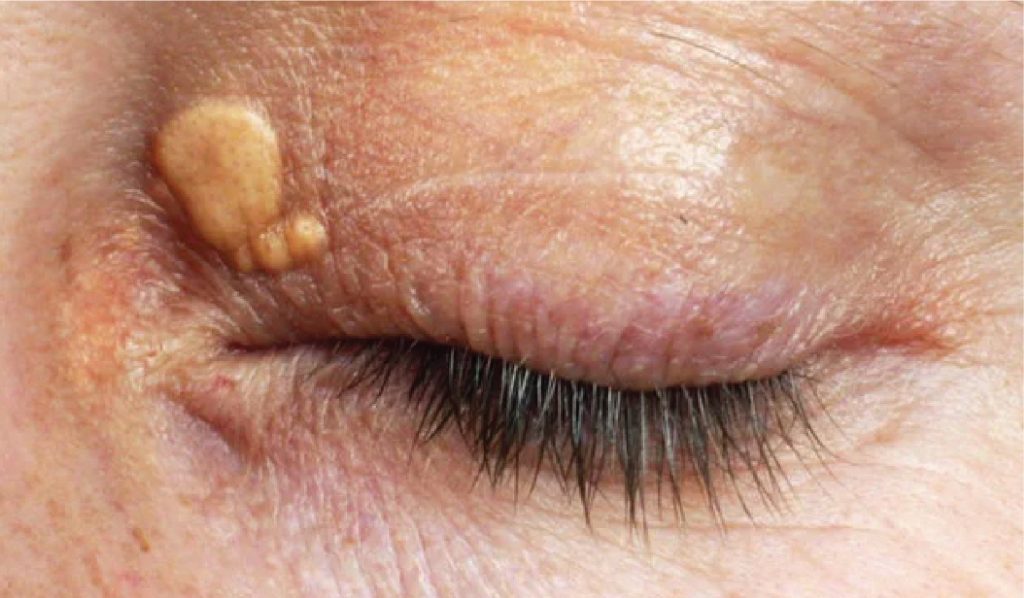
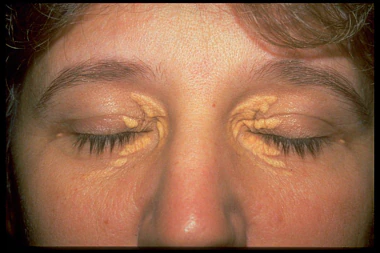
Yellowish or yellow-orange plaques or small bumps on the skin
-
Typically soft and painless
-
May appear singly or in multiple spots, often symmetrically on both sides of the face
-
Most commonly found around the eyes, especially on the inner part of the upper eyelids
-
Does not itch or cause discomfort, but may become larger over time
When to see a doctor
-
If you notice yellow patches forming near your eyes
-
If the lesion is growing or changing in appearance
-
If you have other symptoms possibly related to high cholesterol or thyroid issues
-
If the appearance causes cosmetic concern – a dermatologist can discuss removal options
Diagnosis
In most cases, xanthelasma can be diagnosed through visual examination. To determine the underlying cause, your doctor may recommend blood tests, including:
-
Lipid profile (total cholesterol, LDL, HDL, triglycerides)
-
Blood glucose levels
-
Thyroid function tests (TSH, FT4)
-
In some cases – liver enzyme tests
Treatment options
Xanthelasma is typically removed for cosmetic reasons. A dermatologist will choose the best method based on the size, location, and patient's preferences. Possible treatments include:
-
Medications – sometimes lipid-lowering agents are prescribed, but they don't remove existing plaques
-
Laser therapy – effective and aesthetically pleasing, especially for smaller lesions
-
Cryotherapy – removal using cold (usually liquid nitrogen)
-
Electrodestruction – removal using electric currents
-
Surgical excision – used for larger or recurring lesions
Important: Even after removal, xanthelasma may recur if the underlying cause (such as high cholesterol) is not addressed.
Care and prevention
To prevent xanthelasma from developing or returning:
-
Reduce fat intake, especially saturated and trans fats
-
Exercise regularly
-
Avoid smoking
-
Monitor your cholesterol levels with routine blood tests
-
Manage chronic conditions such as diabetes and thyroid issues
-
Have regular check-ups with a dermatologist, especially if you've had xanthelasma before
Frequently Asked Questions
Is xanthelasma dangerous?
No, it is a benign condition, but it may point to underlying health issues.
Can it be removed?
Yes. There are several removal options, including laser, cryotherapy, and surgical excision.
Can it come back after removal?
Yes, recurrence is possible if the underlying causes are not treated.
Can I remove it at home?
No. Attempting to remove xanthelasma yourself is not recommended – always consult a professional.
Conclusion
Xanthelasma is usually a cosmetic issue, but it may signal internal imbalances such as high cholesterol or thyroid dysfunction. Proper removal and managing the root cause are essential. A consultation with a dermatologist is the best way to explore safe and effective treatment options.