Skin DiseasesMelasma: Causes, Symptoms and Treatment

Melasma: Causes, Symptoms and Treatment in Ireland

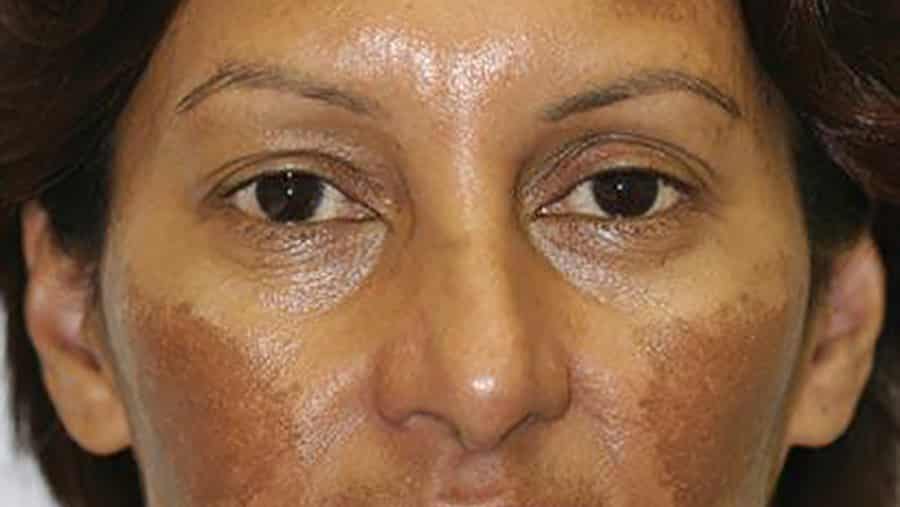
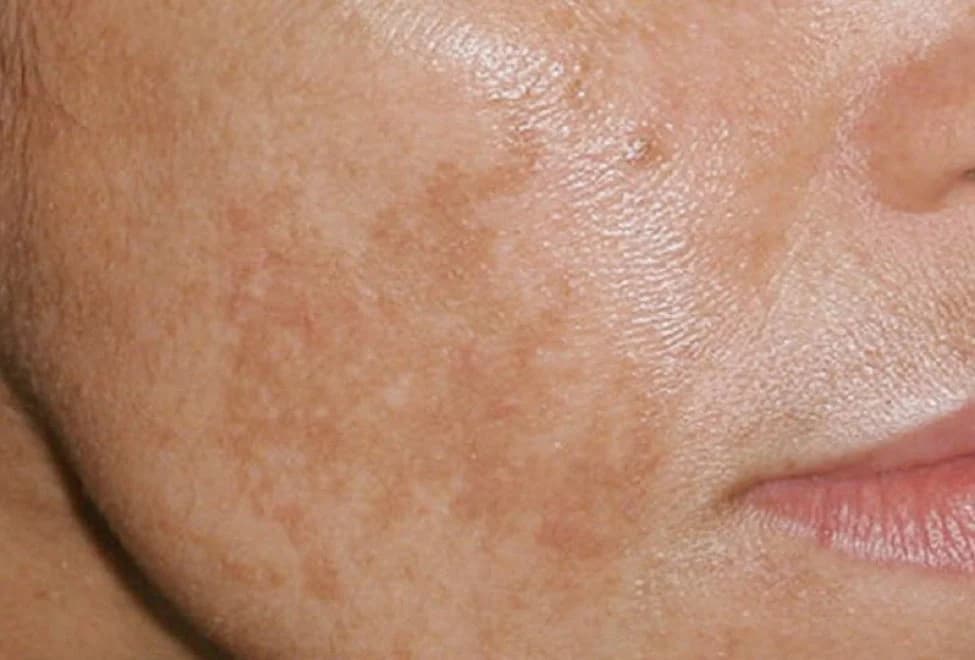
Brown pigmented patches on a woman's cheek, a typical presentation of melasma linked to sun and hormonal influences.

Need an online dermatologist for melasma in Ireland? iDerma's doctors review your photos and reply within 24 hours — from 49 €.

Melasma (also known as chloasma) is a common skin condition that causes darker, patchy areas to appear on the face. It is more frequent in women and often triggered by hormonal changes and sun exposure.


Melasma is more common in:

  • Women than men

  • People with darker skin types

  • Women during pregnancy

  • Women taking hormonal treatments or oral contraceptives

  • People with a genetic predisposition

  • Individuals exposed to excessive UV radiation

  • People using certain cosmetics or taking anti-seizure medications
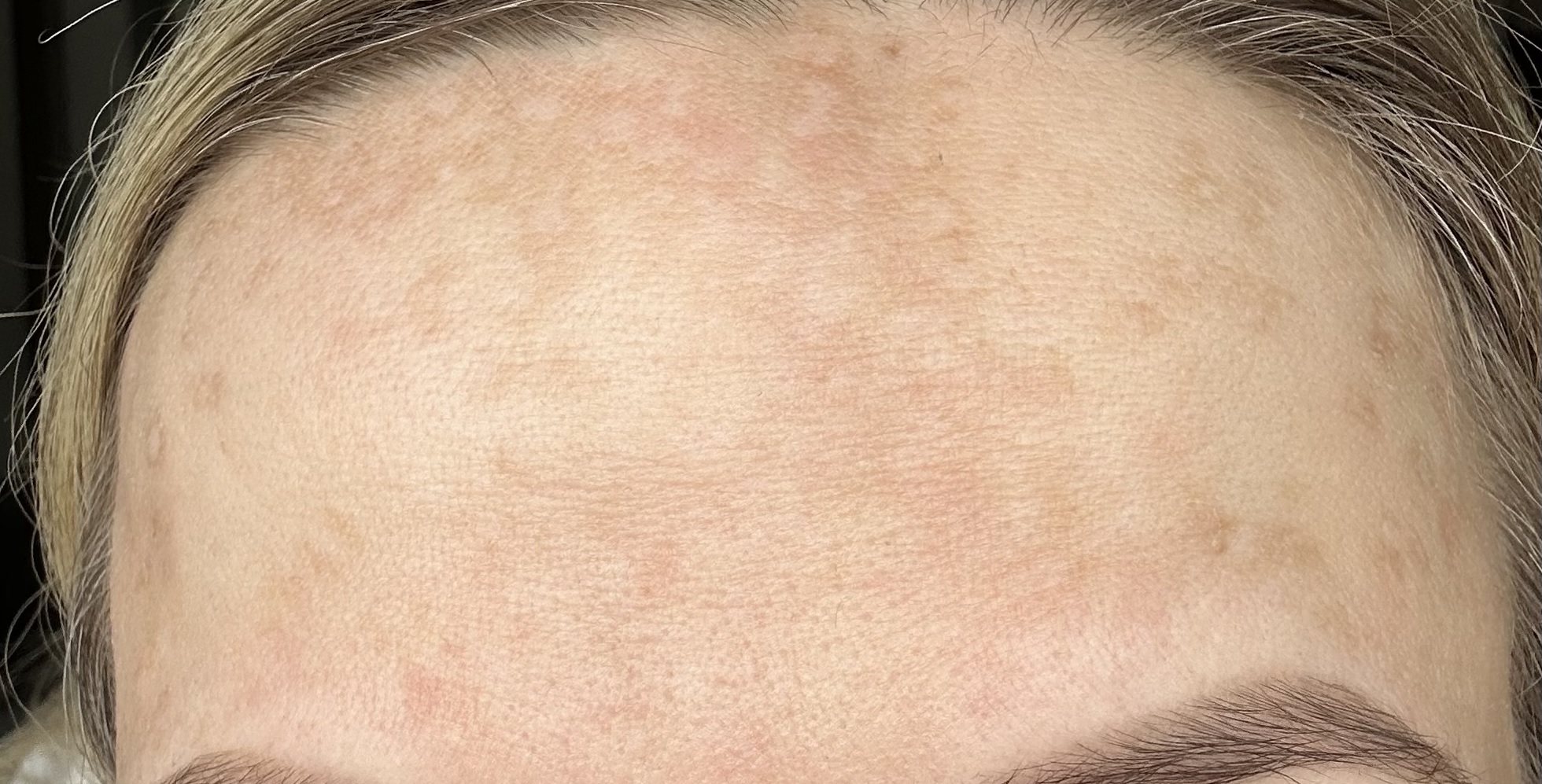
 

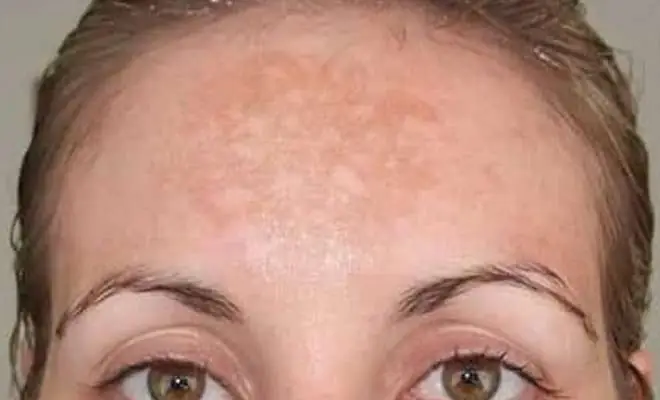
Subtle brown patches on the forehead showing mild melasma

Light brown patches on the forehead caused by melasma
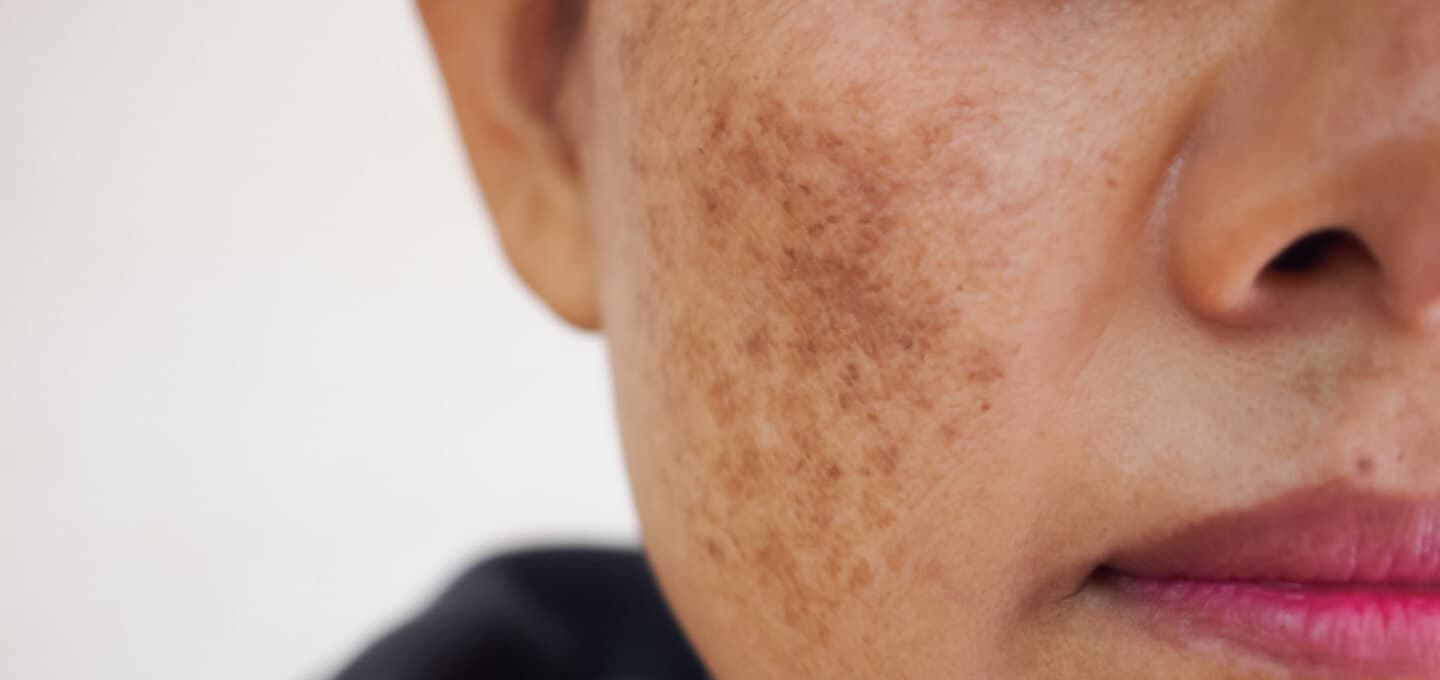
Dark brown patches on cheeks and forehead typical of melasma


Symptoms of melasma:

  • Symmetrical hyperpigmented patches on the face

  • Color ranges from brown to grayish-brown

  • Most often appears on:

    • Cheeks

    • Chin

    • Forehead

    • Upper lip

    • Other sun-exposed areas of the face


Diagnosis:
A dermatologist can usually diagnose melasma based on a physical exam and a discussion of your medical history. Common clues include recent pregnancy or use of hormonal medications.


Treatment:
The most suitable treatment is determined by a dermatologist during an individual consultation.

  • Most commonly, a combination of three topical creams is prescribed

  • If not tolerated, one or two of the active ingredients may be used alone

  • It is essential to avoid direct sun exposure and use high-SPF sunscreen daily

  • If possible, discontinuing estrogen-based medication may help


ARTICLE_GIF


Less common treatment methods include:

  • Chemical peels

  • Laser therapy (used with caution, as it can cause unexpected side effects)

These methods are typically recommended only if other treatments have not been effective.

Still unsure?

A dermatologist writes a plan made for your skin.

Not another off-the-shelf cream — a certified specialist’s diagnosis and personal treatment plan, within 24 hours.

Start your consultation
Personal treatment plan
24h
Diagnosis
Treatment plan
Prescriptions
iDerma
Board-certified dermatologist

Article by

Anna Tunkeviča

Medical content reviewed by

Agnė Panavienė(Dermatologist)

Our other articles

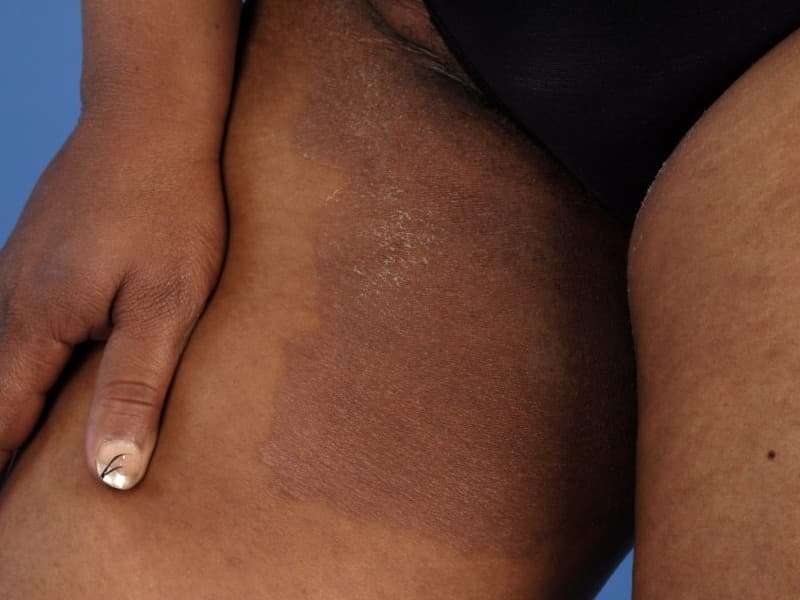
Brownish, well-defined patch in the groin fold, typical of erythrasma and assessable during an online dermatology consultation.

Erythrasma: causes, symptoms, and treatment

Learn what erythrasma is, what causes it, its main symptoms, and the most effective treatments. Discover how to prevent and manage this common skin infection.
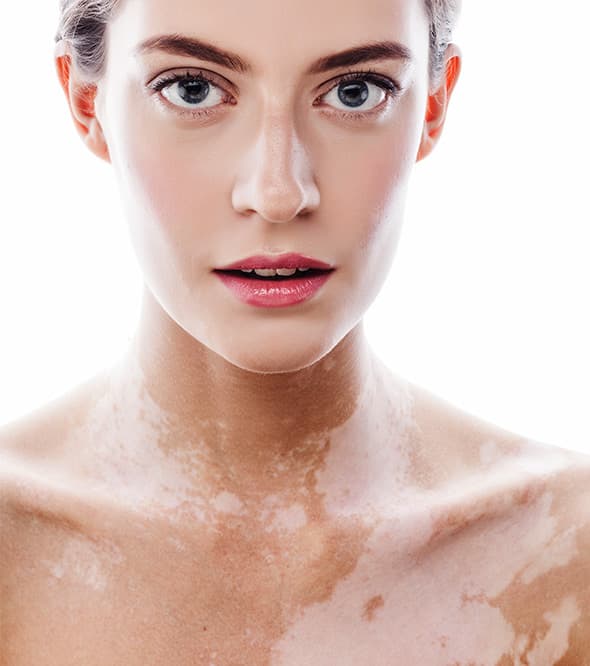
Pale depigmented patches on a woman's neck and chest, characteristic of vitiligo.

Vitiligo – why do white patches appear on the skin and how to treat them?

Vitiligo is a non-contagious skin condition characterized by white patches due to the loss of pigment. While it does not pose a direct threat to physical health, it can have a significant psychological impact. Learn what causes vitiligo, its symptoms, how it is diagnosed, and which treatment methods are currently available.
Brownish pigment patches on the cheek skin indicating facial hyperpigmentation.

Hyperpigmentation: causes, types, and modern treatment methods

Hyperpigmentation is a common skin condition characterized by dark spots that appear due to sun exposure, hormonal changes, or skin damage. In this article, you will learn about the main types and causes of hyperpigmentation, as well as how to effectively treat it using modern dermatological methods and preventive care.
A child's hand with dry, rough and reddened skin showing signs of atopic dermatitis on the hand.

Atopic dermatitis in children: causes, symptoms, and effective care

Atopic dermatitis in children causes dry, itchy skin and frequent flare-ups. Learn how to manage eczema, reduce irritation, and keep your child’s skin healthy.