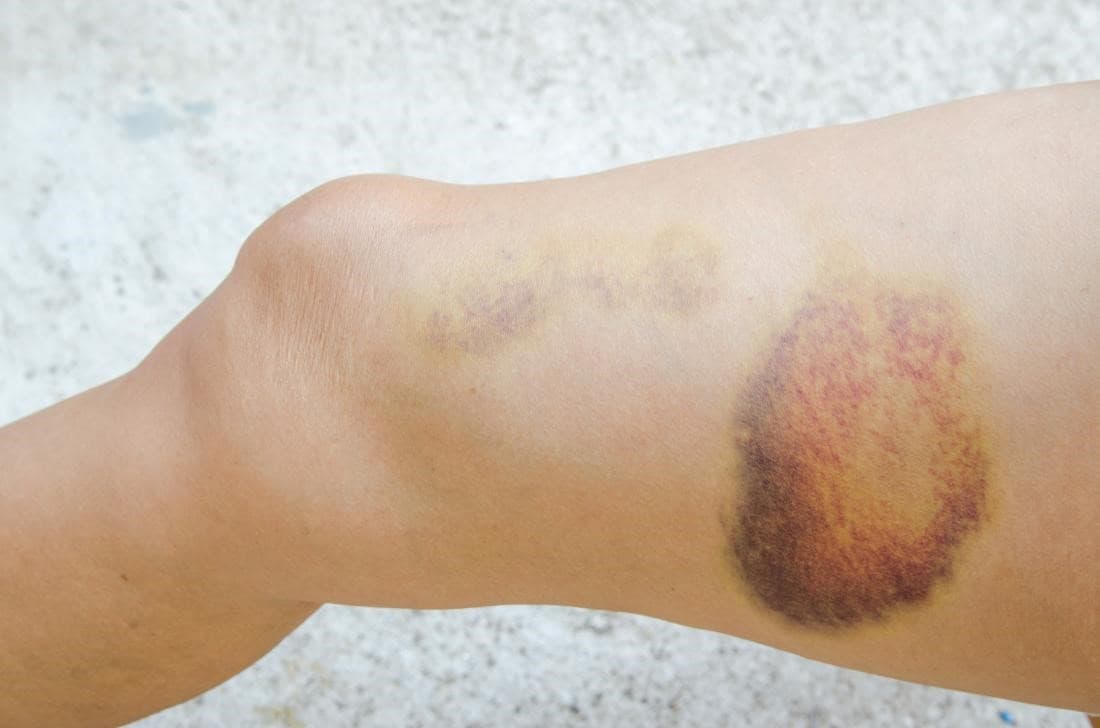
What Is a Hematoma?
A hematoma is a localized collection of blood outside the blood vessels, usually caused by trauma or injury. It occurs when a blood vessel breaks and blood leaks into surrounding tissues, forming a swollen, discolored lump. Hematomas can vary in size, severity, and depth, depending on the injury and the location.
They most commonly appear under the skin (subcutaneous hematomas) but can also develop in deeper tissues, muscles, or even internal organs. In dermatology, most visible hematomas involve the skin and soft tissues.
Common Causes of Hematomas:
-
Blunt trauma or impact injuries
-
Falls or sports injuries
-
Surgery or invasive procedures
-
Blood-thinning medications (anticoagulants)
-
Fragile blood vessels in older adults
-
Underlying bleeding or clotting disorders
Symptoms of a Hematoma:
-
Swelling or lump under the skin
-
Skin discoloration (ranging from red and purple to blue, green, and yellow over time)
-
Pain or tenderness in the affected area
-
Warmth or slight inflammation around the site
-
Reduced movement if the hematoma is near a joint
-
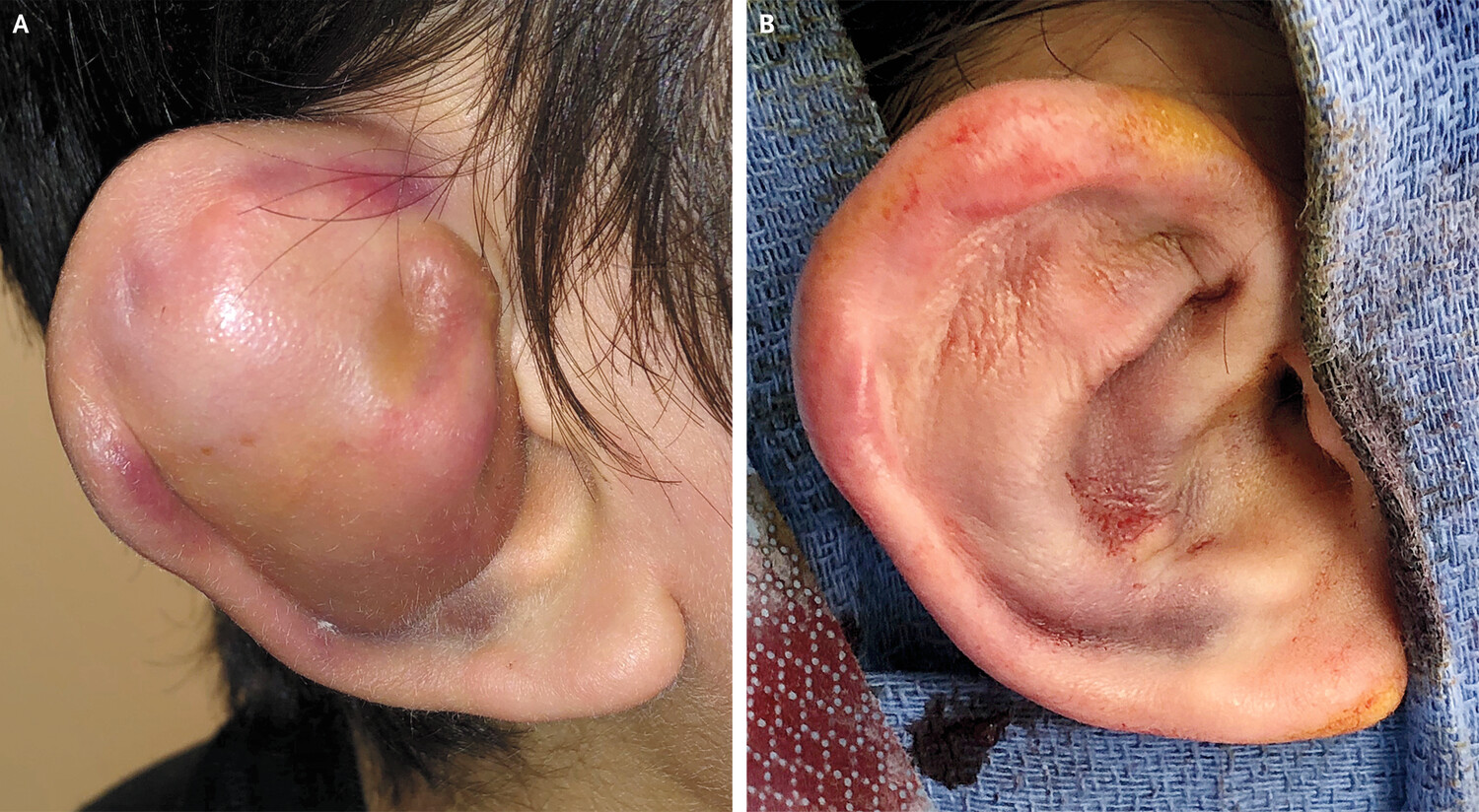
In ear hematomas: visible bulging, often after trauma (e.g., boxing or wrestling)
When to See a Doctor:
-
The hematoma is large, rapidly growing, or very painful
-
Located near the eye, ear, or genitals
-
Causes numbness, tingling, or restricted movement
-
Does not improve or worsens after several days
-
You are taking blood thinners or have a bleeding disorder
Diagnosis of Hematoma:
In most cases, the diagnosis is clinical and based on visual examination and patient history. The doctor evaluates the appearance, size, tenderness, and location of the hematoma.
In unclear or more severe cases, additional tests may include:
-
Ultrasound – to assess fluid accumulation
-
MRI or CT scan – for deep tissue or internal hematomas
-
Blood tests – especially if bleeding disorders are suspected
ARTICLE_GIF
Treatment of Hematomas:
Treatment depends on the size, location, and severity. In many cases, hematomas resolve on their own without specific medical intervention. However, the following treatments may help:
-
Rest and limited movement of the affected area
-
Cold compresses during the first 24–48 hours to reduce swelling
-
Pain relievers (e.g., acetaminophen; avoid aspirin unless prescribed)
-
Elevating the area to reduce swelling
-
Compression bandages (if appropriate)
-
Drainage or aspiration – in cases of large or painful hematomas, especially in the ear (auricular hematoma)
-
Surgical intervention – rarely needed but may be necessary for deep or complicated hematomas
Recovery and Outlook:
Most hematomas gradually improve over 1–4 weeks, with the discoloration fading as the blood is reabsorbed by the body. Full healing may take longer if the area is large or deep. To prevent complications, it's important to monitor symptoms and follow medical advice.