What Are Fordyce Granules?
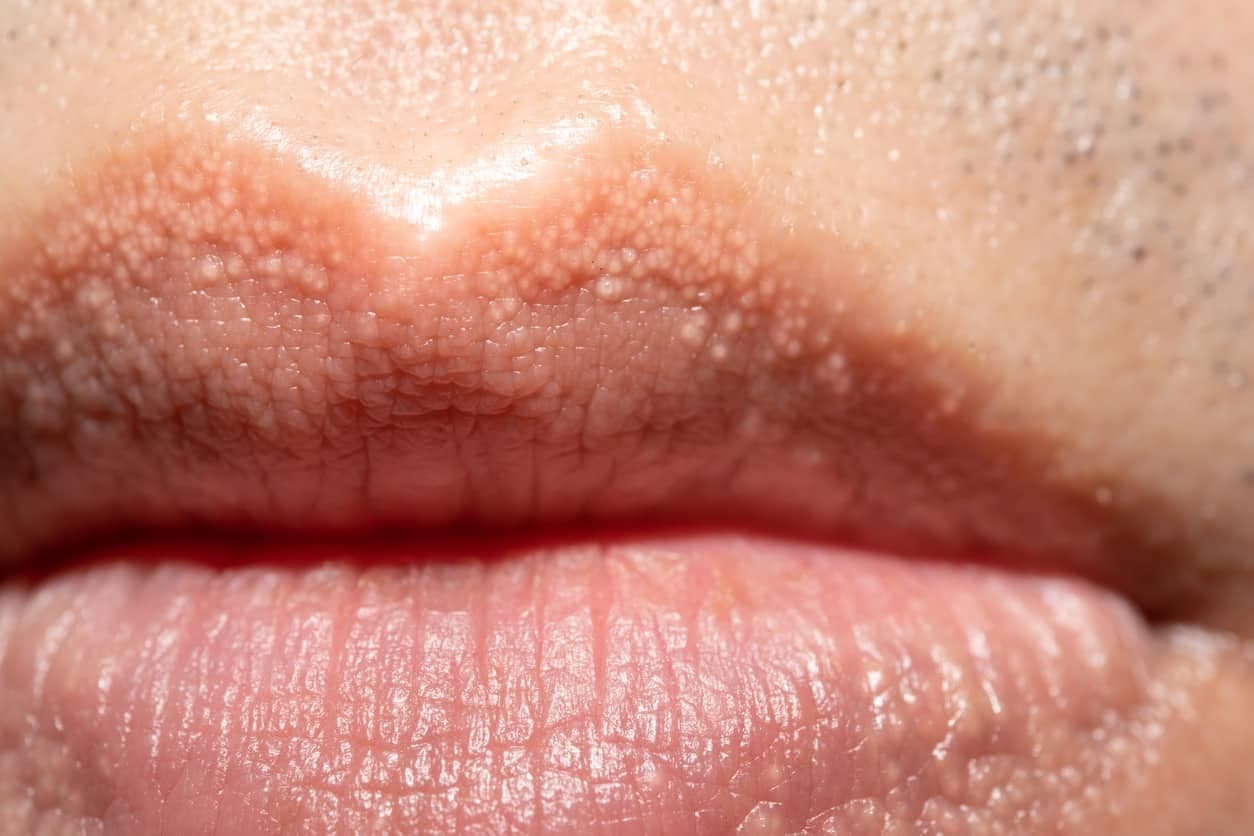
Fordyce granules are enlarged sebaceous glands that appear in areas of the skin without hair follicles.
This is a benign, non-contagious skin condition that often causes concern because of its appearance; however, it is completely normal and does not require treatment.
Key Facts About Fordyce Granules
-
Prevalence: Occur in about 70–80% of adults.
-
Age: Most commonly appear during puberty and persist throughout life.
-
Gender: Diagnosed about twice as often in men as in women.
-
Nature of condition: Non-infectious, harmless to health.
-
Common misdiagnosis: Sometimes mistaken for genital warts or other skin lesions.
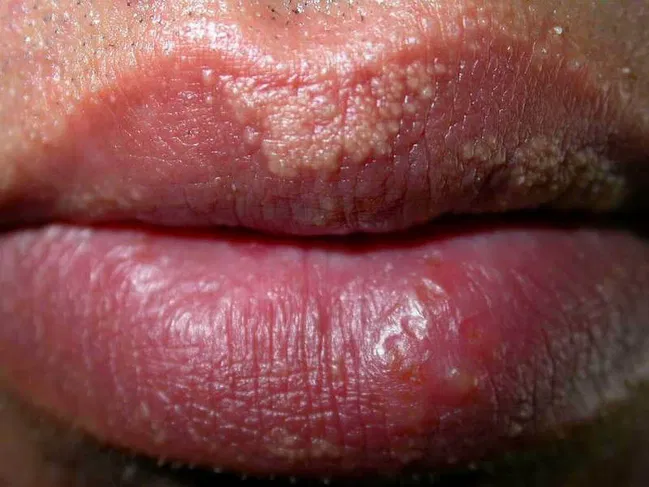
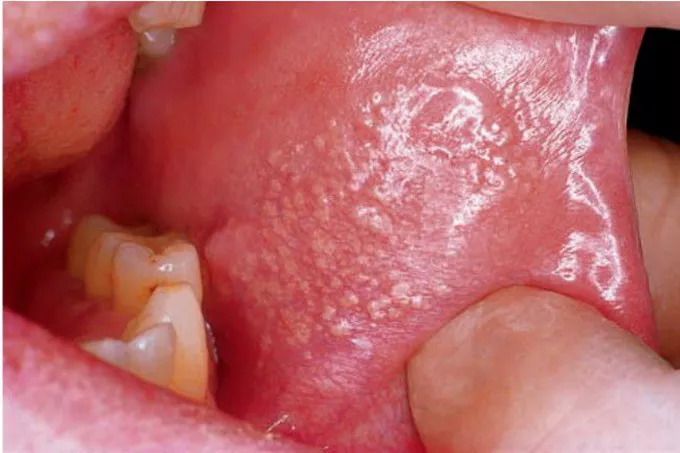
Symptoms of Fordyce Granules
Fordyce granules typically appear as:
-
Small papules (tiny skin bumps) measuring 1–3 mm in diameter;
-
Color: white, yellow, pink, or skin-toned;
-
May appear individually or in clusters;
-
Common locations:
-
Mucosa of the lips (especially the upper lip);
-
Genital mucosa;
-
In rare cases – inside the mouth or on the inner surface of the cheeks.
-
Diagnosis of Fordyce Granules
Diagnosis is made by a dermatologist through visual examination and patient history.
In rare cases, if there is uncertainty, a biopsy may be performed to confirm the diagnosis.
Do Fordyce Granules Require Treatment?
Since this is a harmless condition, treatment is usually unnecessary.
However, some people may wish to reduce their appearance for aesthetic reasons.
Possible Treatment Options
-
Cryotherapy (liquid nitrogen treatment)
-
Electrosurgery (removal with electric current)
-
CO₂ laser therapy — a popular method that removes granules effectively and without scarring
-
Topical retinoid creams — may help temporarily but the effect is not permanent
ARTICLE_GIF
Frequently Asked Questions (FAQ)
Are Fordyce granules dangerous?
No. This is a completely harmless skin condition that does not turn into cancer and causes no health issues.
Can they be squeezed out?
No, squeezing Fordyce granules is not recommended — it may cause irritation, infection, or scarring.
Can they be reduced at home?
Some creams containing retinoids may help reduce Fordyce granules slightly, but it’s best to consult a doctor for the safest and most effective option.
Can Fordyce granules spread?
No, they are not contagious and do not spread between people or to other parts of the body.
Summary
Fordyce granules are a normal skin condition that does not require medical treatment, though they can cause aesthetic discomfort.
If they bother you, several dermatological procedures can safely reduce them.