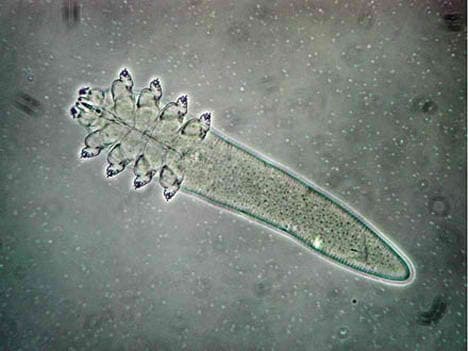
Do you often experience itching, redness, breakouts, or flaking skin on your face? The cause may be invisible to the naked eye — the Demodex mite, which naturally lives on human skin. This microscopic parasite usually causes no symptoms, but under certain conditions, it can trigger skin inflammation — a condition known as demodicosis.
In this article, we’ll explain what Demodex is, how to recognize it, how it’s treated, and how to prevent it from recurring.
What Is the Demodex Mite?
Demodex is a microscopic mite that lives in human sebaceous glands and hair follicles, most commonly in the areas of the nose, forehead, chin, cheeks, eyebrows, and eyelids.
There are two species typically found on humans:
-
Demodex folliculorum – lives in hair follicles
-
Demodex brevis – lives in sebaceous glands
Normally, these mites are harmless and part of the natural skin microbiome. However, when their population increases or the immune system weakens, they can cause inflammation — leading to demodicosis.
Causes and Risk Factors
Factors that can trigger or worsen demodicosis include:
-
Weakened immune system (illness, stress, lack of sleep)
-
Chronic skin conditions (e.g., rosacea, seborrheic dermatitis)
-
Oily skin type
-
Frequent use of cosmetics or steroid creams
-
Age (more common in people over 30)
-
Poor hygiene or overly aggressive skin cleansing
Symptoms
Common symptoms of demodicosis include:
-
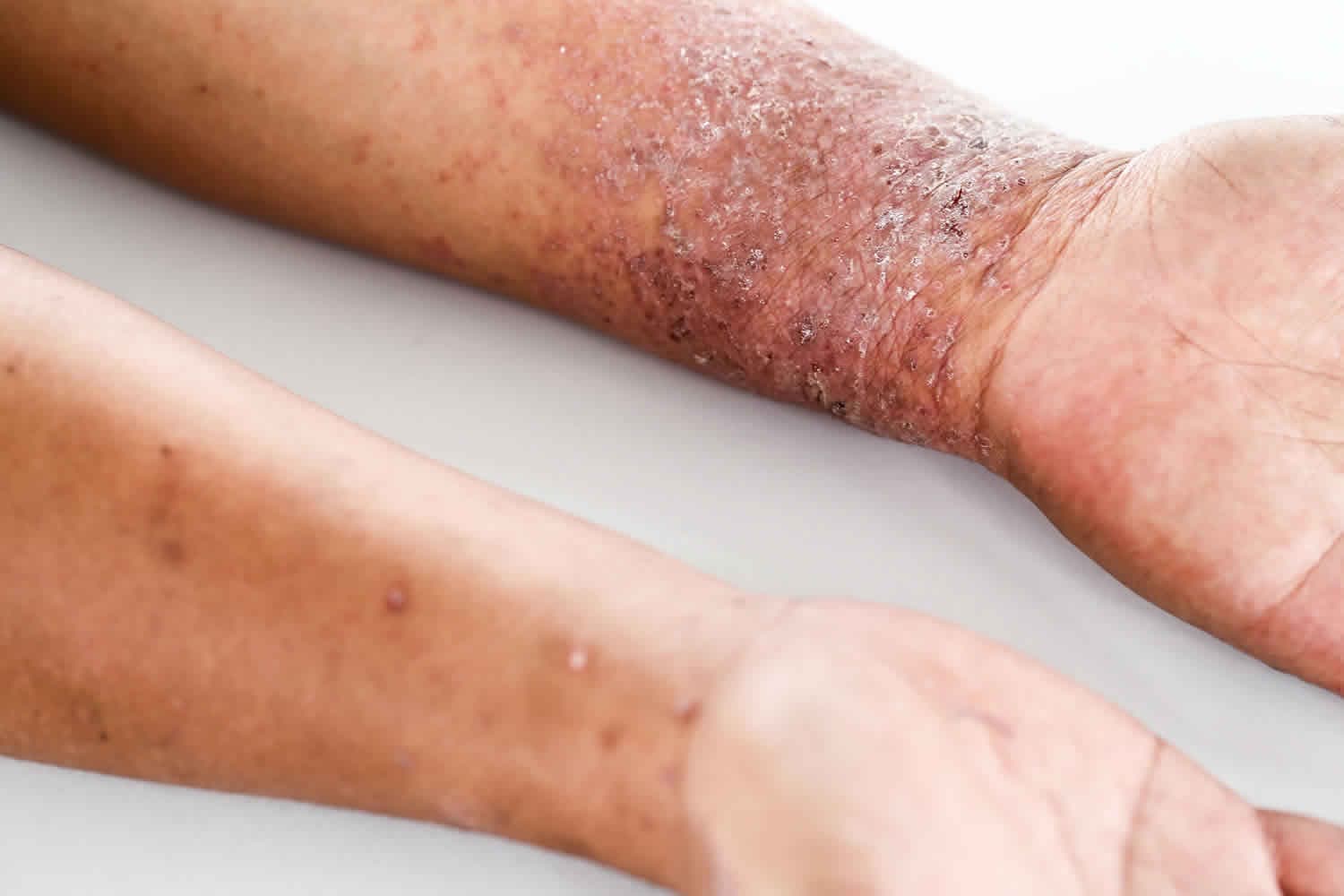
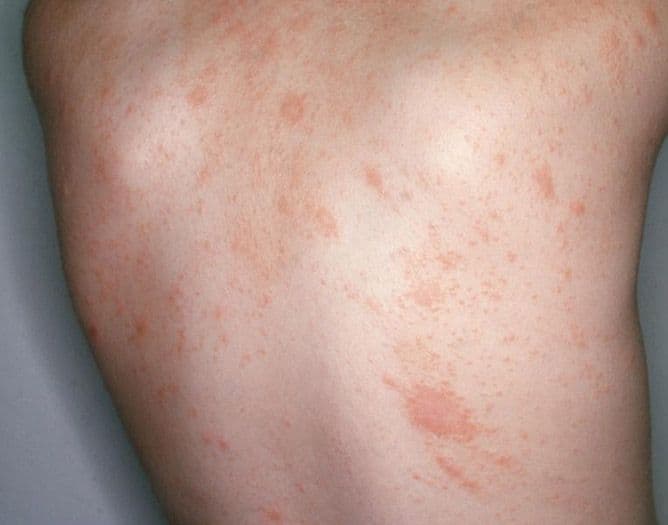
Redness and inflammation, especially on the cheeks, nose, and chin
-
Itching, particularly in the evening or at night
-
Small pimples or pustules
-
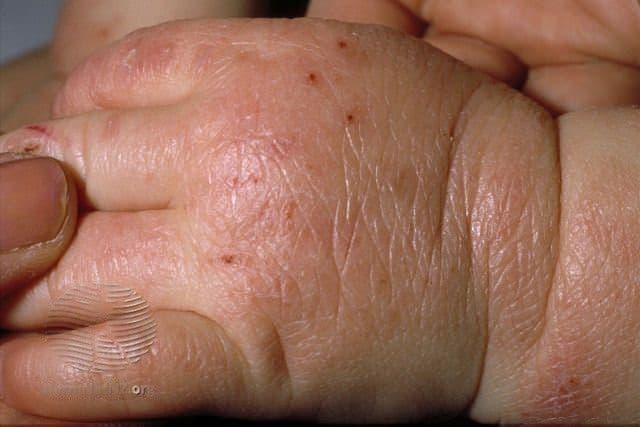
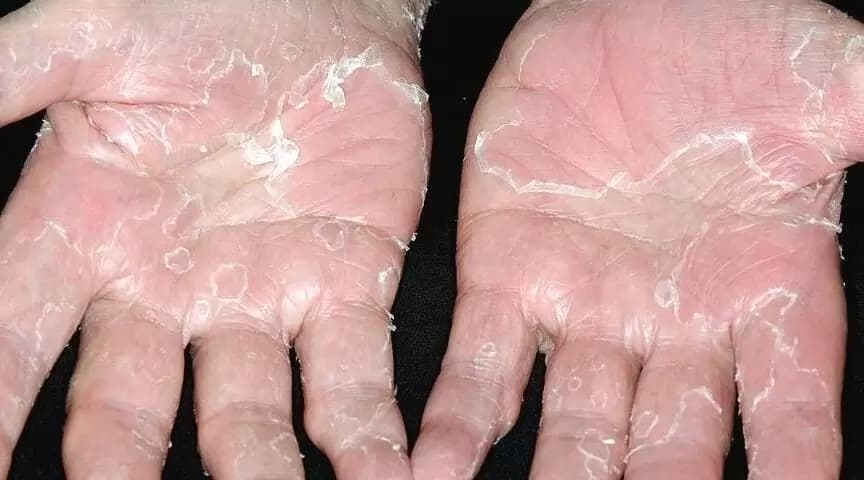
Rough, flaky skin
-
Enlarged pores
-
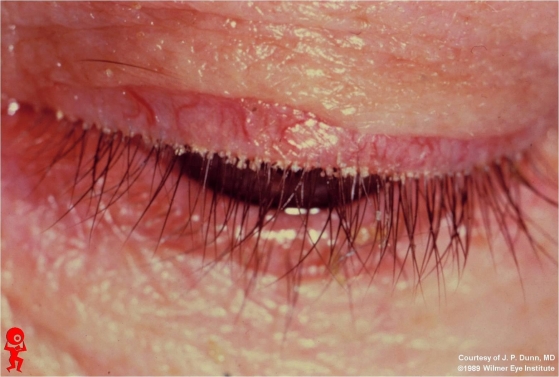
Eye irritation, itchy eyelids, or eyelash loss
Because symptoms are similar, demodicosis is often mistaken for acne or rosacea, making accurate diagnosis essential.
When to See a Doctor
Consult a dermatologist if:
-
Symptoms persist for more than 2–3 weeks
-
Standard acne treatment is ineffective
-
You experience strong eyelid itching or redness
-
Symptoms tend to recur
A dermatologist can perform diagnostic tests to confirm whether Demodex mites are the cause.
Diagnosis
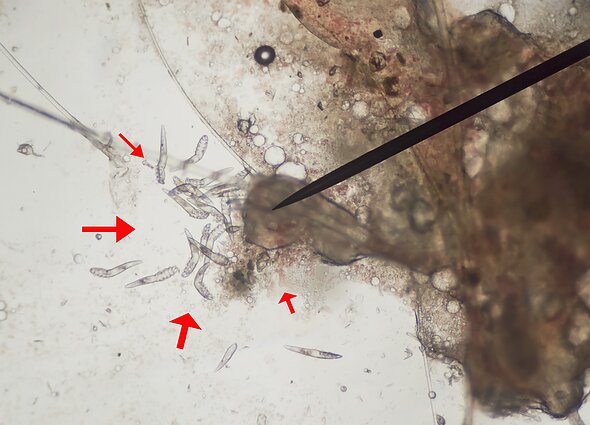
Demodicosis is diagnosed through microscopic examination. The doctor may collect:
-
A skin scraping sample
-
Samples from the eyelid margins or eyelashes
During the test, the presence and number of Demodex mites are assessed. A small number is normal, but a higher count together with symptoms confirms demodicosis.
Treatment Options
Treatment depends on the severity of symptoms. The most common approaches include:
1. Topical treatments:
-
Anti-inflammatory or mite-targeting creams and gels a dermatologist may prescribe
2. Oral treatment (for severe inflammation):
-
Oral medicines a dermatologist may prescribe to control inflammation and reduce the mite population
3. Eyelid hygiene:
-
Specialized eyelid cleansers
-
Tea tree oil–based products
4. Skincare routine:
-
Gentle, alcohol-free, fragrance-free cleansers
-
Avoid oily cosmetics and steroid creams
Treatment usually lasts 6–8 weeks and must be followed consistently to achieve results.
Prevention and Skin Care
To prevent demodicosis recurrence:
-
Change pillowcases regularly
-
Do not share towels or cosmetics
-
Use non-comedogenic skincare products
-
Cleanse your face gently every day
-
Strengthen your immune system: get enough sleep, eat well, and manage stress
Conclusion
Demodicosis is a commonly underdiagnosed but effectively treatable skin condition. Early detection, professional dermatological care, and proper skincare help relieve symptoms and prevent recurrence.
If you notice suspicious signs — don’t wait; consult a dermatologist.