Dermatological ServicesPhototherapy: A Safe and Effective Treatment for Chronic Skin Diseases

Phototherapy: A Safe and Effective Treatment for Chronic Skin Diseases in Ireland

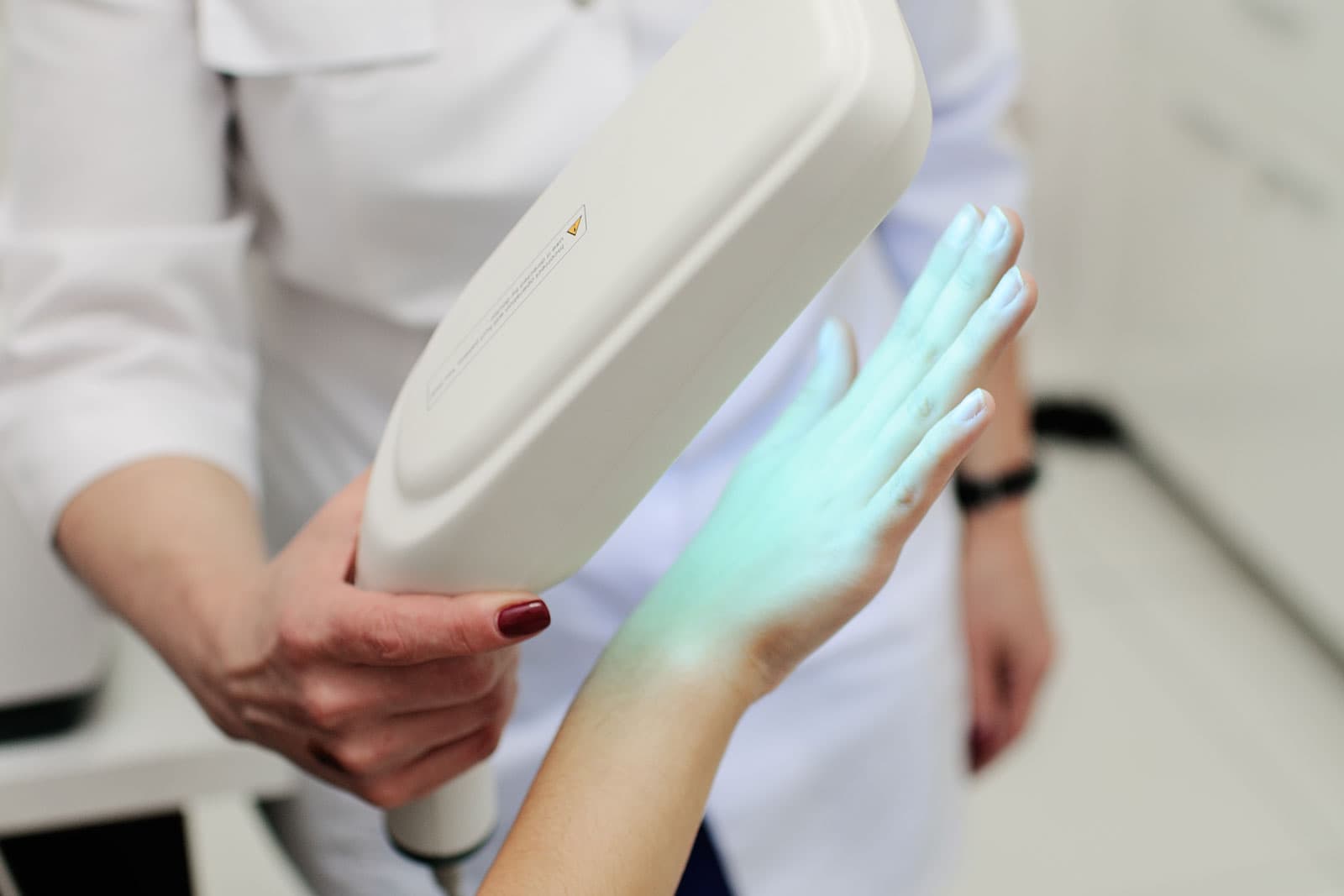
Clinician treating a patient's hand with a phototherapy device emitting blue-green light during a skin treatment.

Need an online dermatologist for phototherapy in Ireland? iDerma's doctors review your photos and reply within 24 hours — from 49 €.

Phototherapy – Light-Based Treatment for Skin Conditions

Phototherapy is a technique used to treat skin diseases by exposing the skin to ultraviolet (UV) light waves of different wavelengths. Depending on the wavelength used during the procedure, phototherapy is classified into the following types:

  • broadband UVB (270–350 nm)

  • narrowband UVB (311–313 nm)

  • UVA (320–400 nm)

  • PUVA (psoralen + UVA)


UVB phototherapy has anti-inflammatory, cytotoxic, and immunosuppressive effects. However, these effects are localized, meaning the treatment targets only the skin. As a result, phototherapy is often considered safer than many systemic medications that affect the whole body.

UVA phototherapy penetrates deeper into the skin layers and helps soften thickened skin caused by chronic diseases.

PUVA phototherapy is the most intensive form of light therapy. It is used for more severe conditions, particularly when other types of phototherapy have not produced the desired results.

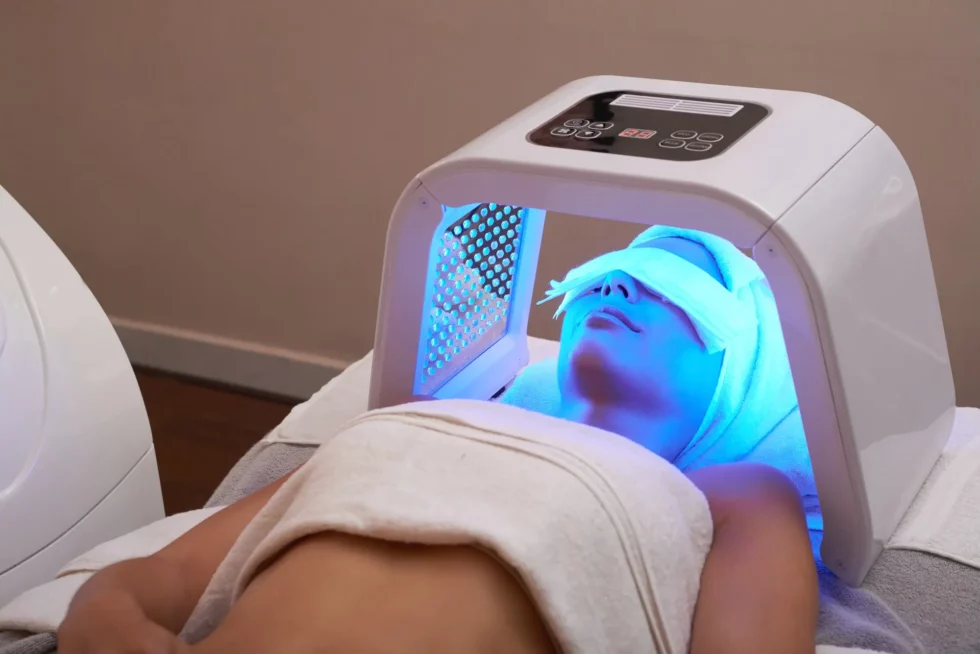


Conditions Treated with Phototherapy in Dermatology

Phototherapy is used to treat a variety of skin conditions, including:

  • parapsoriasis, psoriasis

  • pityriasis lichenoides

  • eczema, atopic dermatitis

  • vitiligo

  • photodermatitis

  • actinic prurigo

  • cutaneous porphyria

  • mycosis fungoides and other related conditions


ARTICLE_GIF
 

When Phototherapy Is Not Recommended

Phototherapy is contraindicated in patients with the following conditions:

  • dysplastic nevus syndrome

  • systemic lupus erythematosus

  • dermatomyositis

  • genetic cancer syndromes (e.g., xeroderma pigmentosum, Gorlin syndrome)

  • Bloom syndrome, Cockayne syndrome

  • patients who are unwilling or unable to follow safety protocols during treatment

  • patients with poor general health or severe comorbidities (e.g., advanced heart, vascular, or respiratory disease)


Conclusion

Phototherapy is a safe, simple, and effective procedure commonly used for treating chronic inflammatory skin conditions. Compared to drug therapies, it is often chosen for its lower risk of side effects and more affordable cost.


Still unsure?

A dermatologist writes a plan made for your skin.

Not another off-the-shelf cream — a certified specialist’s diagnosis and personal treatment plan, within 24 hours.

Start your consultation
Personal treatment plan
24h
Diagnosis
Treatment plan
Prescriptions
iDerma
Board-certified dermatologist

Article by

Anna Tunkeviča

Medical content reviewed by

Justina Musė(Dermatologist)

Our other articles

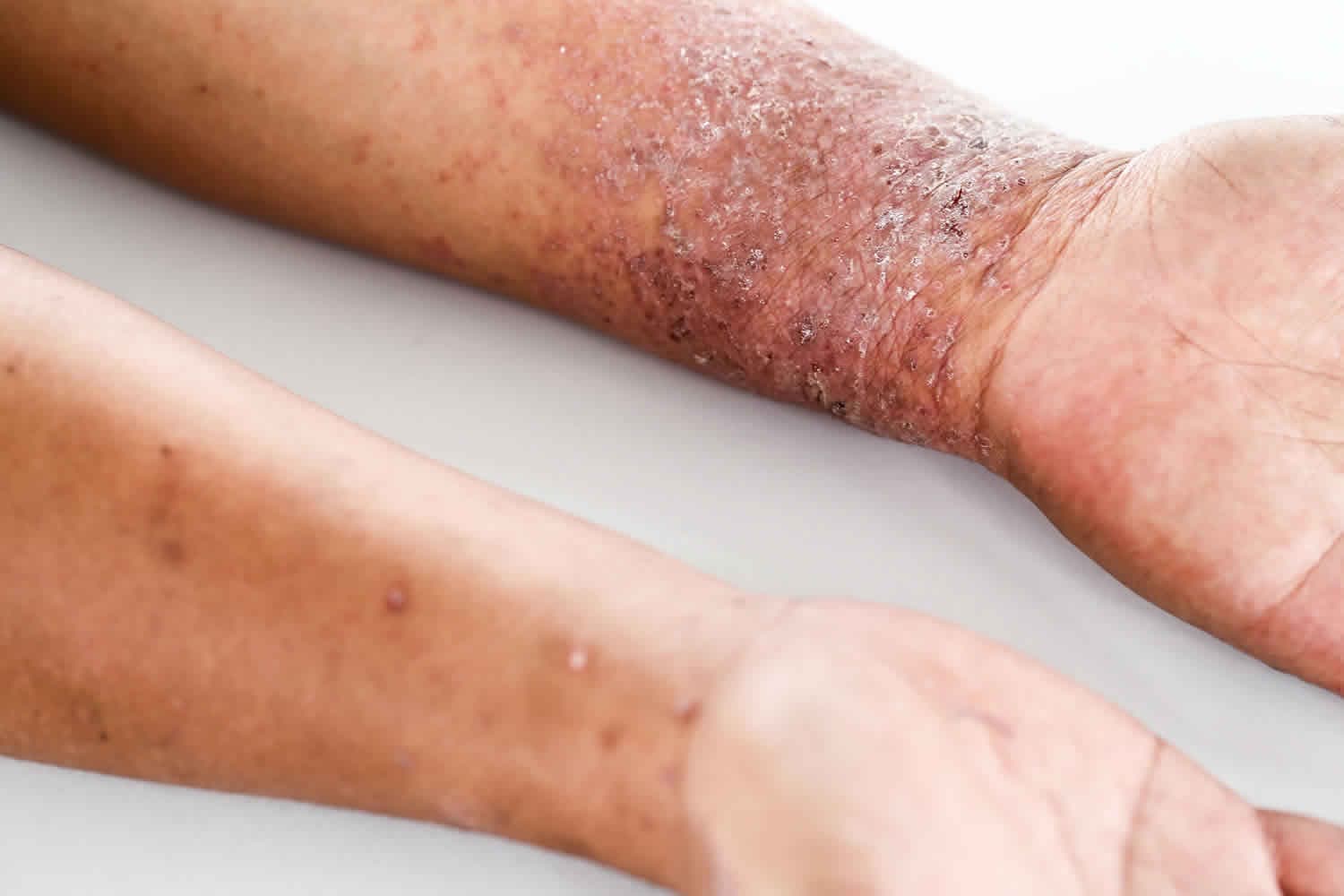
Red, scaly and inflamed skin of atopic dermatitis on the forearm and wrist

Atopic dermatitis: how to recognize, treat, and care for your skin

Atopic dermatitis is a chronic skin condition causing dryness and itching. Learn about symptoms, triggers, and effective treatments for lasting relief.
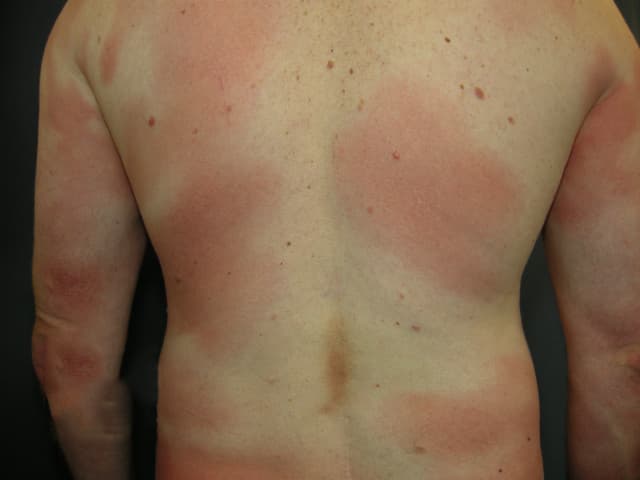
Large reddish patches across the back and torso typical of the patch stage of mycosis fungoides

Mycosis fungoides: symptoms, stages & treatment options

Mycosis Fungoides is a slow-growing T-cell skin lymphoma causing red scaly patches. Early diagnosis and care help manage symptoms effectively.
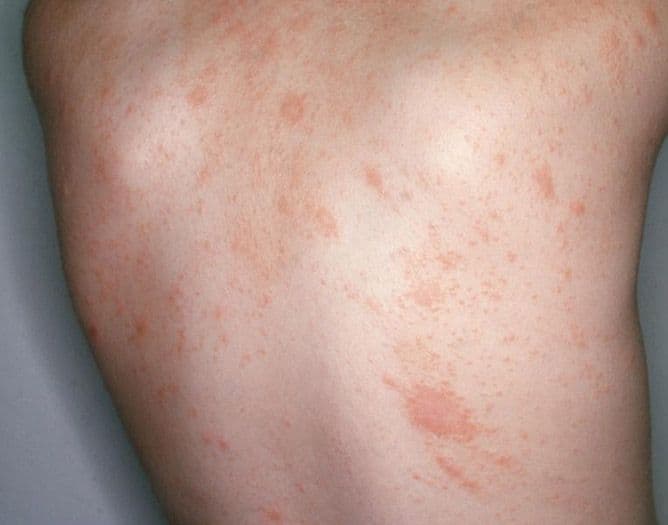
Pityriasis rosea showing a rash of pink scaly spots spread over the back and flank.

Pityriasis rosea: symptoms, causes, and treatment

Self-limiting skin condition causing pink, scaly rashes. Learn symptoms, causes & treatment. Non-contagious, resolves in 4-8 weeks. Guide for patients.
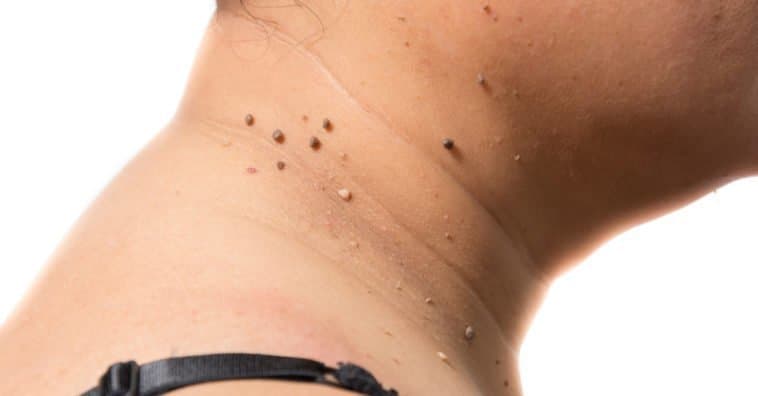
Side of the neck showing several skin tags and pigmented moles along the skin.

Skin tag removal: is it necessary and is it safe?

Skin tags are common benign skin growths that can appear on various parts of the body. Is removal necessary? When is treatment recommended and when is monitoring enough? This article explains the causes, risk factors, removal options, and safety considerations based on dermatological guidelines and current medical evidence.